Virtual Reality (VR) gaming has emerged as a groundbreaking technology that not only entertains but also has the potential to positively impact mental health and wellbeing. While traditional gaming has often been criticized for promoting sedentary behavior and social isolation, VR gaming offers immersive experiences that can promote physical activity, social interaction, and emotional engagement. In this article, we’ll explore the impact of VR gaming on mental health and wellbeing and examine how this innovative technology is changing the way we approach gaming and mental wellness.
The Power of Immersion
One of the key features of VR gaming is its ability to transport players to virtual worlds and environments with unparalleled realism and immersion. By donning a VR headset, players can step into new worlds, explore fantastical landscapes, and engage with characters and challenges in ways that feel lifelike and immersive. This sense of presence and immersion has the potential to elicit powerful emotional responses and foster feelings of connection, empathy, and engagement.
Stress Reduction and Relaxation
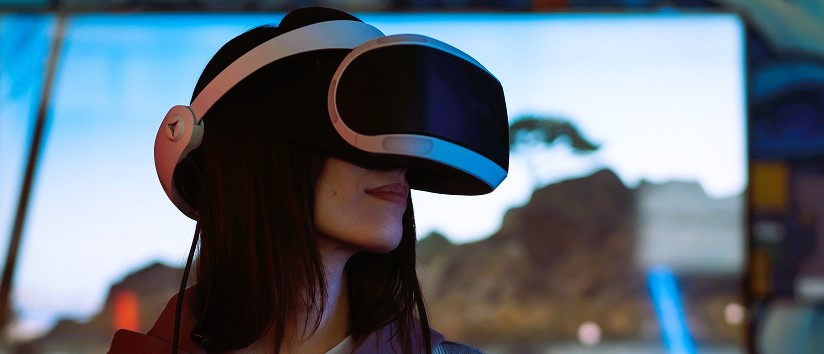
VR gaming has been shown to have a calming effect on the mind and body, making it an effective tool for stress reduction and relaxation. By immersing players in tranquil environments such as serene landscapes, tranquil forests, or soothing underwater worlds, VR games can help promote relaxation and alleviate feelings of stress and anxiety. This can be particularly beneficial for individuals who struggle with stress-related disorders or mental health conditions such as anxiety or depression.
Physical Activity and Exercise
Unlike traditional gaming, which often involves sitting for long periods, VR gaming encourages physical activity and movement. Many VR games require players to engage in physical actions such as walking, running, jumping, and reaching, providing a fun and engaging way to stay active and exercise. From boxing and dancing to sports and fitness simulations, VR games offer a wide range of activities that promote physical fitness and wellbeing. Read more about the psychology of VR games in our article.
Social Interaction and Connection
While gaming has traditionally been seen as a solitary activity, VR gaming has the potential to foster social interaction and connection. With multiplayer VR games and social VR platforms, players can connect with friends, family, and fellow gamers from around the world in virtual environments that mimic real-world social interactions. This sense of connection and camaraderie can help combat feelings of loneliness and isolation, particularly for individuals who may have limited social opportunities in their offline lives.
Therapeutic Applications
In addition to its recreational benefits, VR gaming is also being explored as a therapeutic tool for a variety of mental health conditions and disorders. Virtual reality exposure therapy, for example, has been used to treat phobias, PTSD, and anxiety disorders by exposing patients to virtual environments that evoke their specific fears or triggers in a controlled and safe setting. Similarly, VR-based mindfulness and relaxation programs have been developed to help individuals manage stress, improve mood, and enhance overall wellbeing.
Challenges and Considerations
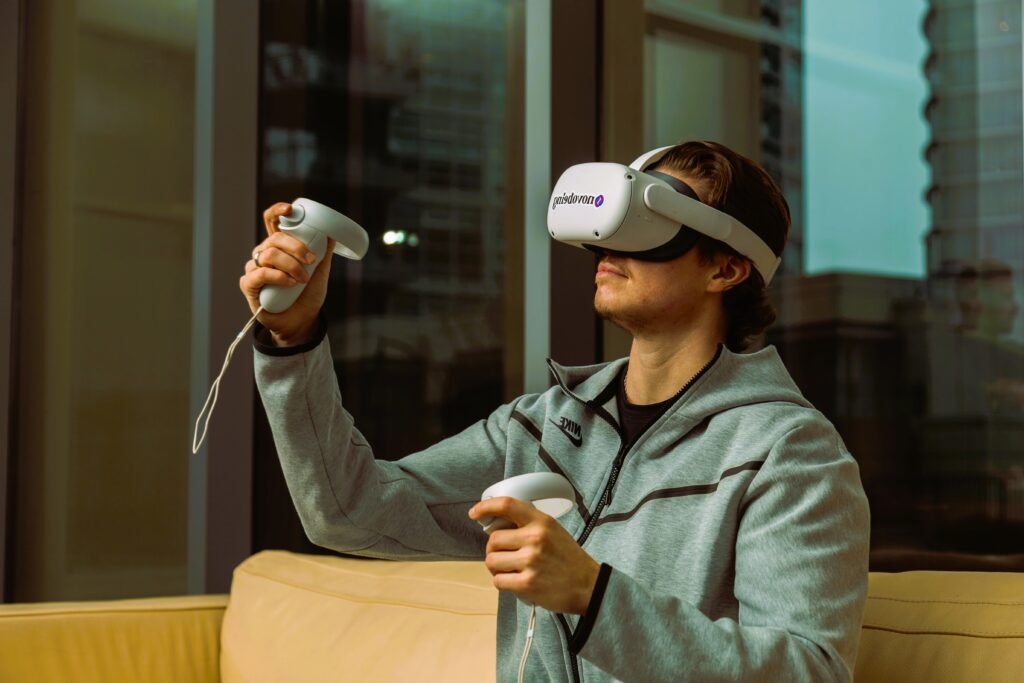
While VR gaming shows promise as a tool for promoting mental health and wellbeing, it also presents certain challenges and considerations. These include issues related to accessibility, affordability, and potential negative effects such as motion sickness or overuse. Additionally, more research is needed to fully understand the long-term impacts of VR gaming on mental health and wellbeing and to develop evidence-based interventions and guidelines for its use.
Conclusion
VR gaming has the potential to positively impact mental health and wellbeing by promoting relaxation, physical activity, social interaction, and emotional engagement. From stress reduction and relaxation to social connection and therapeutic applications, VR gaming offers a range of benefits for individuals seeking to improve their mental health and overall wellbeing. As technology continues to advance and VR gaming becomes more accessible, we can expect to see further exploration of its potential as a tool for mental wellness and self-care.
For more information on the impact of VR gaming on mental health and wellbeing, visit IGN and Wikipedia.